


Advancing Minimally Invasive Shoulder Care for Stronger, Healthier Lives
Improve procedural efficacy and reduce recovery time through data-backed, minimally invasive shoulder interventions.
Advancing Minimally Invasive Shoulder Care for Stronger, Healthier Lives
Improve procedural efficacy and reduce recovery time through data-backed, minimally invasive shoulder interventions.
Insights That Guide Recovery
Using structured patient input throughout the recovery journey helps clinicians understand progress and refine care strategies. This ensures timely adjustments and supports optimal recovery, function, and satisfaction following shoulder arthroscopy.
A comprehensive shoulder-specific measure assessing pain and function in daily activities.
Quantifies current shoulder pain and the degree of difficulty with various daily activities.
A brief, patient-completed questionnaire assessing functional limitations in common shoulder activities.
Specifically measures the impact of shoulder instability on a patient's life and activities.
Assesses the quality of life in patients with rotator cuff disorders, including pain and function.
Provides precise and flexible measures of pain, physical function, and other relevant health domains.
Powered suported by leading international healthcare service
Designed for Every Age
The type of shoulder repair depends on age, lifestyle, and injury severity. Modern components used in arthroscopy are engineered to restore shoulder function, stability, and strength across all patient demographics.
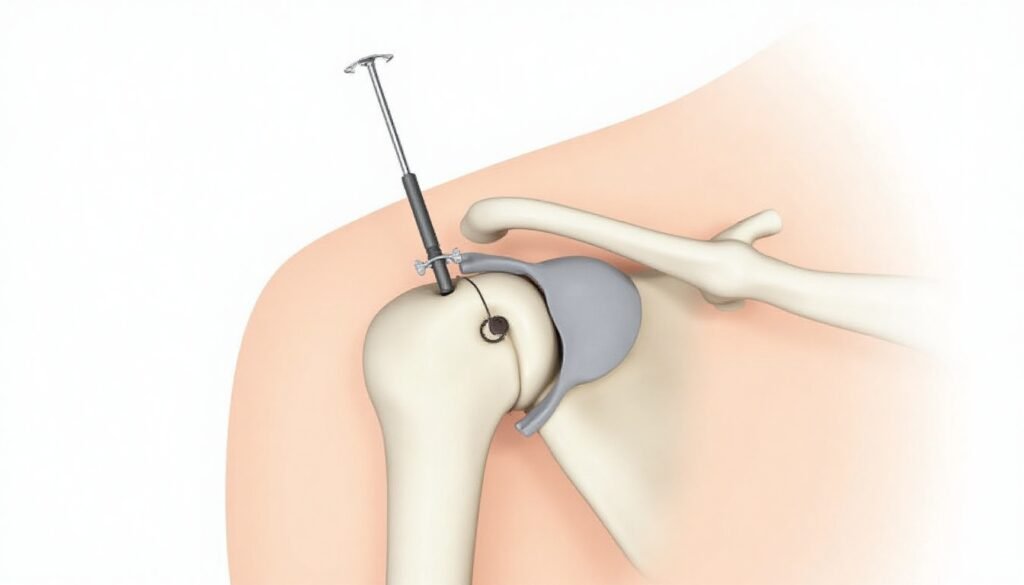
Suture Anchors
Outcome:
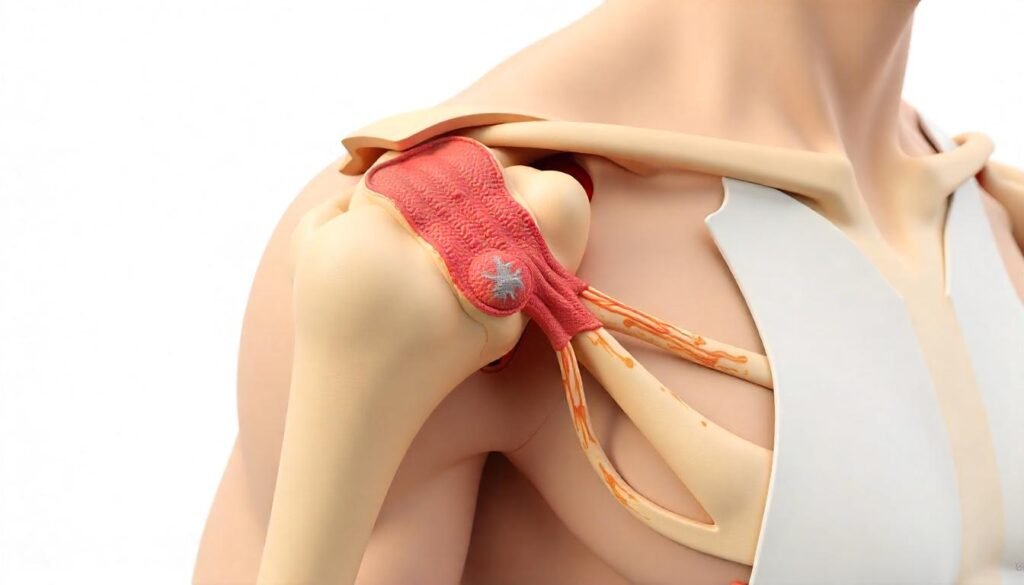
Secure soft tissue to bone, aiding healing. Ideal age: 20-60, active adults. Enhances joint stability, promotes recovery.
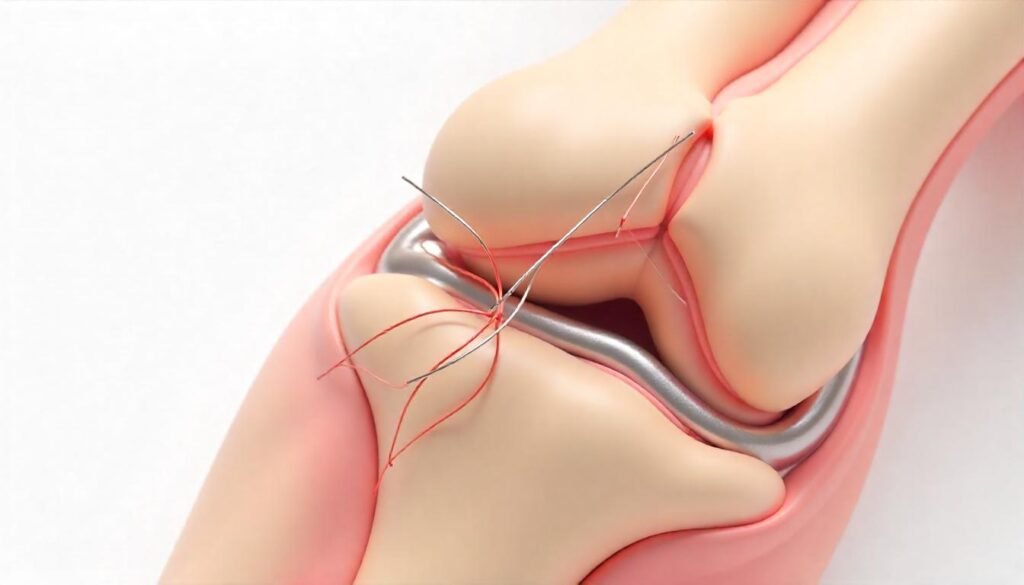
Sutures
Outcome:
Close tissues, support healing. Ideal age: All ages, as needed. Facilitates wound closure, ensures tissue alignment.
Interference Screws
Outcome:
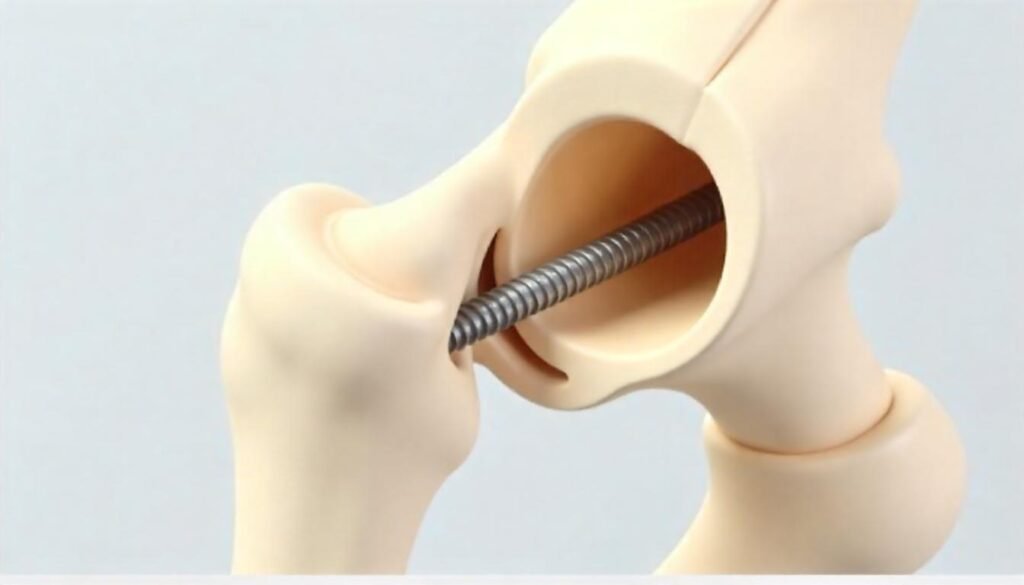
Fix grafts in bone tunnels, ensuring stability. Ideal age: 20-50, athletes. Supports ligament reconstruction, restores joint function.
Bioabsorbable Tacks/Pins
Outcome:
Temporary fixation, absorb over time. Ideal age: 20-60, active patients. Reduces need for removal surgery, integrates naturally.
Grafts
Outcome:
Replace damaged tissue, restore function. Ideal age: 20-70, based on health. Improves mobility, enhances tissue repair.
Humeral Head Implants
Outcome:
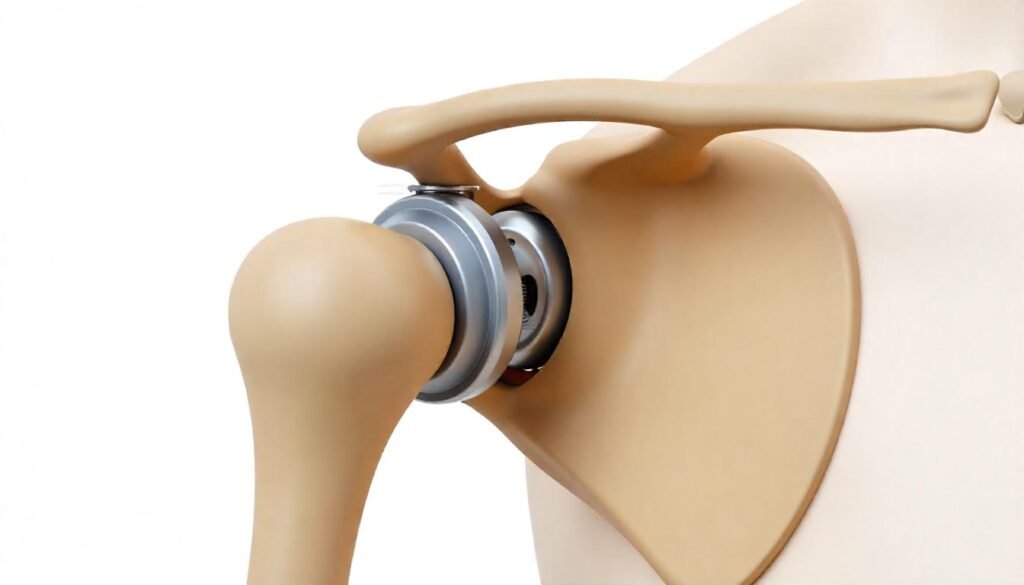
Restore shoulder function in partial replacement. Ideal age: 50-80, arthritis patients. Improves range of motion, reduces pain.
AC Joint Fixation Devices
Outcome:
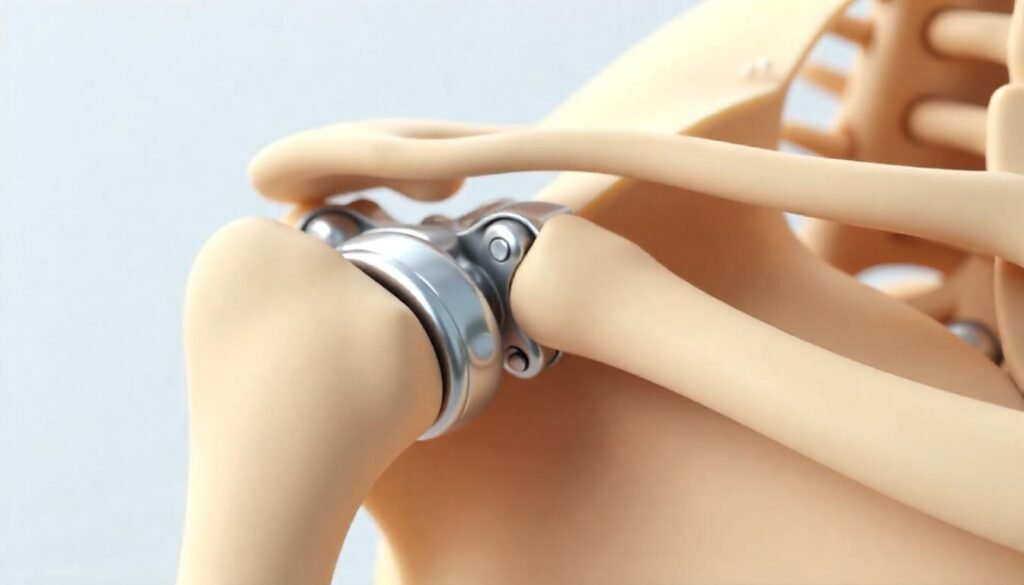
Stabilize AC joint, restore mobility. Ideal age: 20-50, active individuals. Supports joint alignment, enhances shoulder function.
Transforming Treatment through Navigation and PROMs
Integrating care navigation with PROMs offers a more streamlined, efficient, and personalized approach to treating metastatic bone disease. This integration empowers healthcare teams and patients alike, ensuring a better patient experience and optimal outcomes throughout the treatment journey.
Real-Time Adjustments to Care Plans
Patient-generated insights enable care teams to tailor rehab programs based on actual recovery progress.

Earlier Detection of Setbacks
Ongoing tracking flags issues early, allowing for prompt response and faster clinical action.

Higher Patient Engagement
Transparent progress tracking gives patients ownership of their recovery, improving adherence and motivation.

More Streamlined Care Coordination
Navigation tools improve scheduling, communication, and follow-ups, reducing gaps across providers and touchpoints.

Accelerated Demand for Precision Tools
Personalized care pathways have encouraged the refinement of instruments to meet specific surgical and post-op needs.

Informed Design with Real-World Data
Recovery data has helped refine the features and performance expectations of implants and instruments over time.

Focus on Longevity and Adaptability
Devices are now engineered with broader recovery profiles and diverse patient groups in mind, improving long-term outcomes.

Shift Toward Preventive Recovery Support
The blend of navigation and tracking encourages tools that not only treat but also help avoid recurring joint dysfunction.